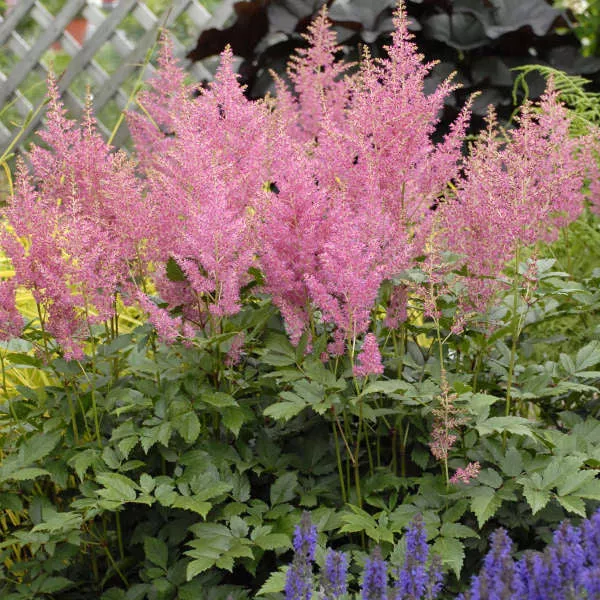

Masses of large, outward-facing rose-pink blooms deepen to shades of glowing salmon. Flower heads are more upward-looking than most colored varieties and plants produce a greater number of flowers.12-18″
Botanical Name- Helleborus Walburton’s Rosemary Pronunciation- hel-eh-BORE-us Foliage- Semi-evergreen Mature Width- Mature Height- Sun Exposure- Part shade to full shade Soil Preferences- Average, well drained Current Size- 1 Bloom Color- Rose pink Bloom Time- Late winter – early spring Companion Plants- Epimedium x rubrum – woodland shade interest, similar bloom time Fauna Attracted- Early-season bees (often the first nectar/pollen source), hoverflies Plant Habit- Perennial
- Care Rating- Moderate
Default Beavercreek Nursery Bin – PP2 Yearly Care Instructions- Remove old leaves in late winter to reduce disease; water consistently and fertilize lightly. Trimming Instructions- Remove old or damaged leaves in late winter before new growth emerges. Fertilization Instructions- Use a balanced, slow-release fertilizer (e.g., 14-14-14) in early spring; moderate feeding need. Ensure clay soil is amended with organic matter for proper drainage. Fertilizer Recommendation- Flower-tone Possible Issues- Aphids, powdery mildew