White Walnut / Butternut (Juglans cinerea)
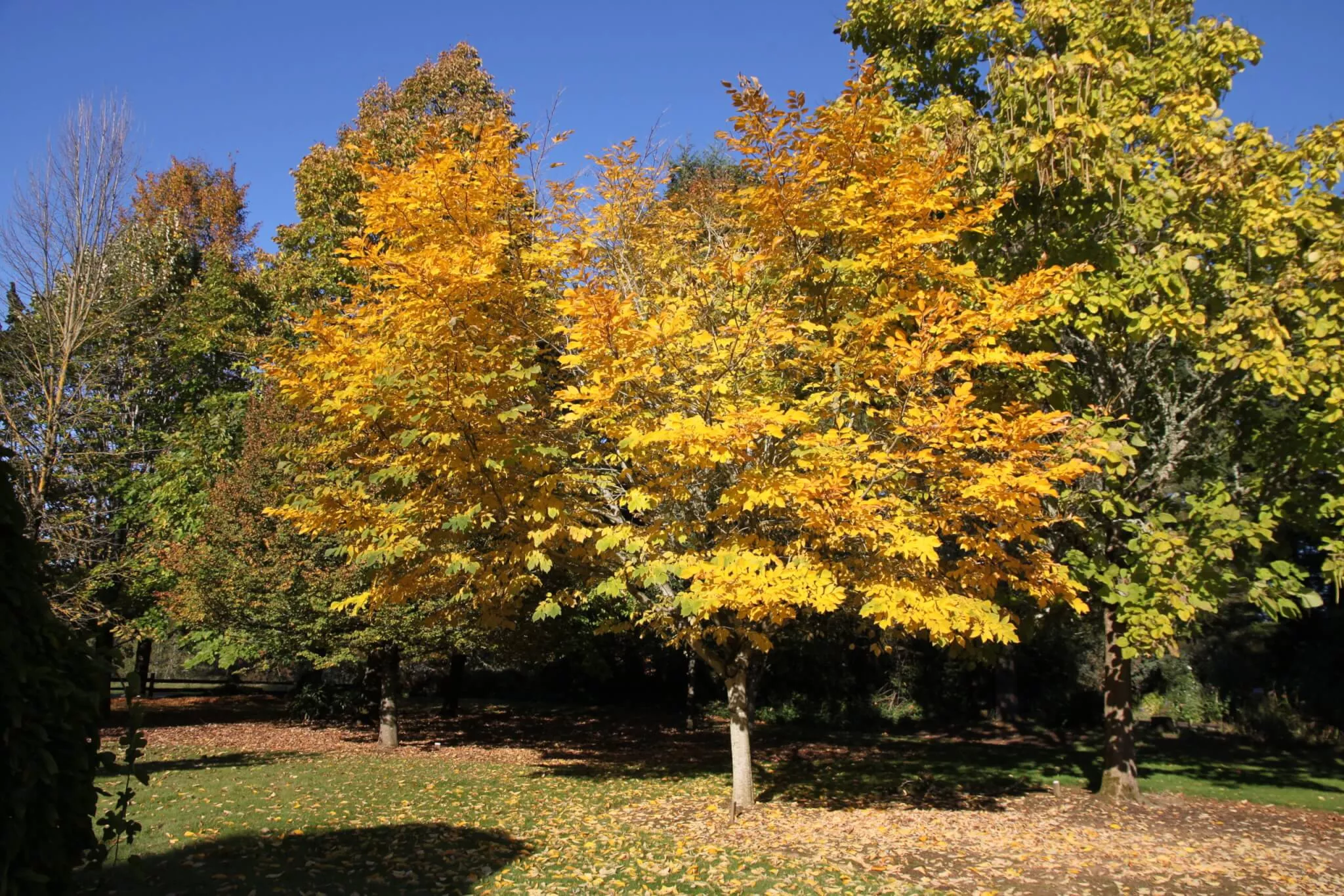
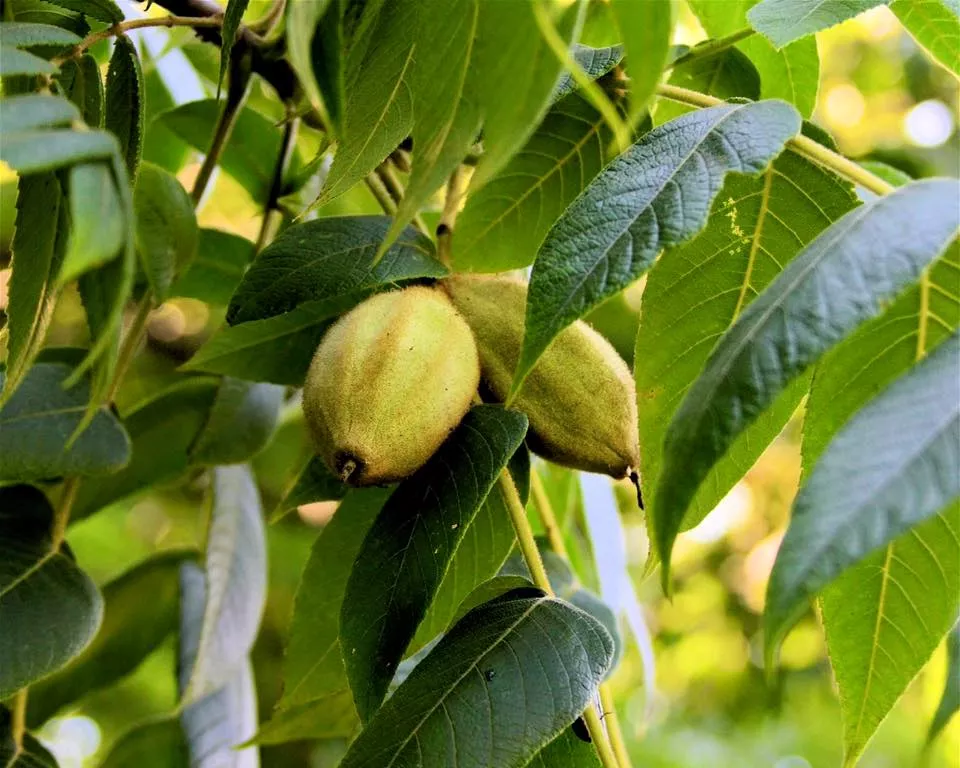
Butternut is a majestic native tree closely related to black walnut, but rarer and with a unique ecological story. Its oily, sweet nuts feed birds, squirrels, and humans, and its spreading canopy provides habitat and seasonal shade. Sadly, it’s in decline due to butternut canker — planting disease-free nursery stock supports conservation.
Key Characteristics
- Edible nuts with high wildlife value – Butternuts are sweet, oily, and nutritious, supporting birds, small mammals, and foraging humans.
- Large, spreading shade tree – Grows with a broad crown, offering seasonal shade and structure in restoration and rewilding projects.
- Important conservation planting – Wild trees are declining due to disease; planting healthy stock helps preserve this species.
- Tolerates poor soils and slopes – Naturally found on hillsides and rocky soils; good for erosion control and low-input sites.
- Juglone-producing species – Allelopathic to some plants (like tomatoes); best in dedicated tree zones or outer food forest layers.
Product Details
- Native Range: Eastern U.S. and southern Canada
- Plant Life Cycle: Deciduous tree
- Sun Requirements: Full sun
- Soil Requirements: Medium to dry, well-drained
- Mature Height: 40–60 ft
- Bloom Time: April–June
- Bloom Color: Yellow-green catkins
- USDA Hardiness Zones: 3–7
Butternut is a rare, valuable native nut tree for restoration, biodiversity, and agroforestry — worth planting and protecting.