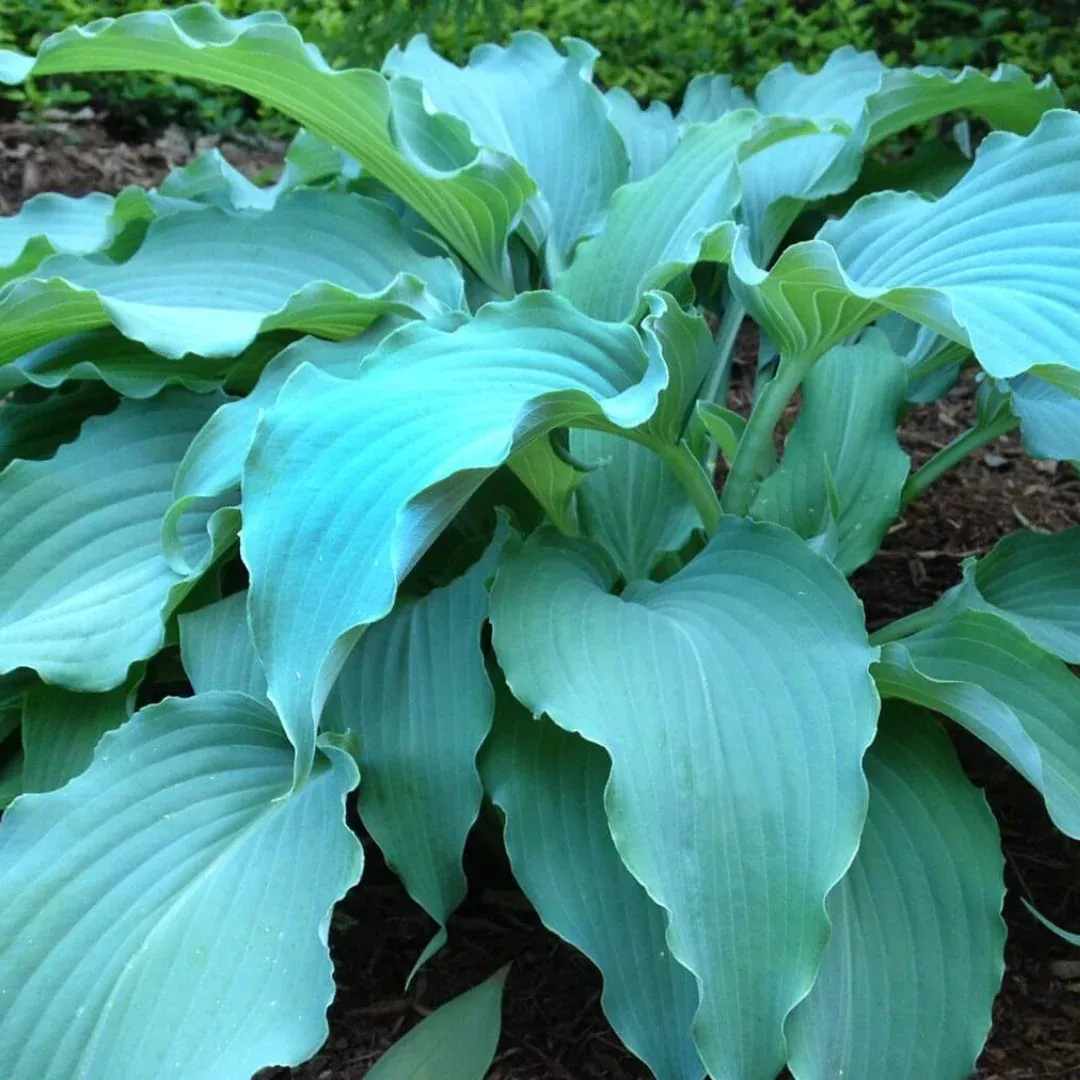

Spiderwort with long flowering season, bi-color purple/lilac – white flowers and glaucous blu-green leaves.
Blooming Time: early summer to late summer (May – August, in cooler areas into the fall)Size: 18-20” high and 20-24″ wideUSDA Zones: 3 to 9Culture: full sun to half-shade. Light shade is tolerated (will bloom less there). Easy and adaptable, most happy in average to moderately fertile, loamy soil with medium moisture, but is very adaptable to soil type – sandy, clay soils (neutral, alkaline, acid)Moisture Needs: medium-dry, average, medium-moistOrigin: selected by Walters Gardens, plant is patented under PP36720 and belongs to the Proven Winner family.
Deer/Rabbit Resistant: no/noAttracts Butterflies or Pollinators: bees and butterfliesAttracts Hummingbirds: noPot Size: round quart pots (4.25″ in diameter x 5″ tall)Plant Combinations: Sunny beds, woodland edges, transition garden zone (difficult to ID the light conditions), private gardens, public spaces (where deer pressure isn’t overwhelming), rain gardens, pollinator gardens. Tradescantia touches both habitats – sunny up to half shade – there can be thousands of great perennial combinations for both. In a sunny border, plant it with perennials like Aquilegia, Baptisia, Coreopsis, Echinacea, hardy Geranium, Hemerocallis (daylily), Iris (I. sibirica, x germanica, x lousiana,etc), Monarda, Paeonia, Rudbeckia, some species of Nepeta (N. subsessilis, N. kubanica, even N. x faasenii), Salvia nemorosa, or Sedum telephium. In half- shade spots it goes well with Amsonia, Heuchera, early-flowering woodland Phloxes like Phlox divaricata, or non-native perennials like Brunnera, Bergenia, Hosta. Pairs well with grasses and ferns, too.
Picture Copyright: Walters Gardens