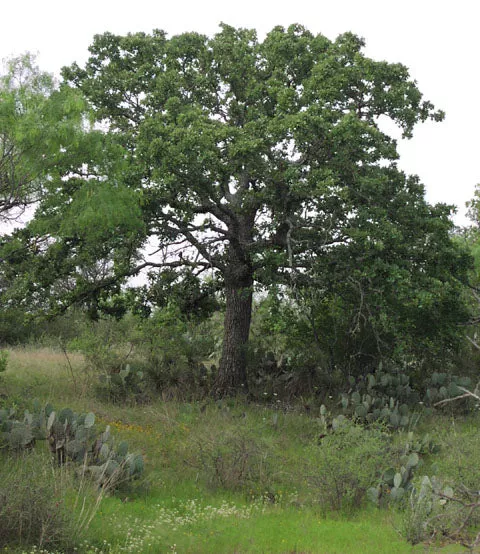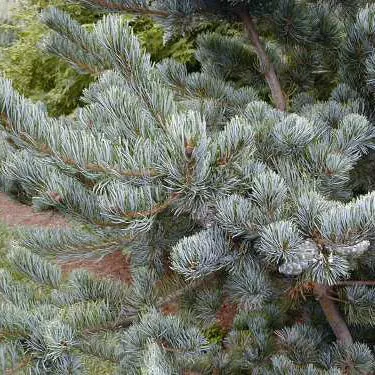
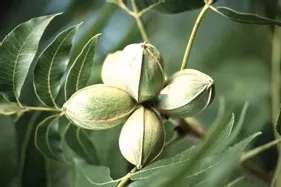
The largest member of the hickory family forms a tall straight trunk with symmetrical, broadly oval crown. The sweet edible nuts of pecan are favored by wildlife and people. Pecan is endemic to the rich, moist soils of bottomlands of the Mississippi Valley to southern Indiana with limited distribution in southern Ohio. Ripens mid-late October. Pollinator needed. Attracts wildlife. Botanical Name- Carya illnoinensis Pronunciation- KAR-ee-uh ill-ih-noy-NEN-sis Foliage- Deciduous Mature Width- 75 ft Mature Height- 100 ft Sun Exposure- Full sun to part sun Soil Preferences- Rich, moist, well-drained soil Current Size- 3 Bloom Color- Inconspicuous Bloom Time- April – May Companion Plants- Golden Hinoki Falsecypress – provides complementary texture and seasonal interest Fauna Attracted- Seed- and nut-eating birds (jays, woodpeckers), beneficial insects on catkins Plant Habit- Tree
- Care Rating- Moderate
Default Beavercreek Nursery Bin – C40 Yearly Care Instructions- Remove dead branches in winter; water deeply during drought and mulch to protect roots. Trimming Instructions- Prune in winter to shape and remove deadwood. Fertilization Instructions- Use a balanced, slow-release fertilizer (e.g., 14-14-14) in spring; moderate feeding need. Alleviate clay compaction and ensure deep watering for best results. Fertilizer Recommendation- Tree-tone Possible Issues- Hickory shuckworm, aphids