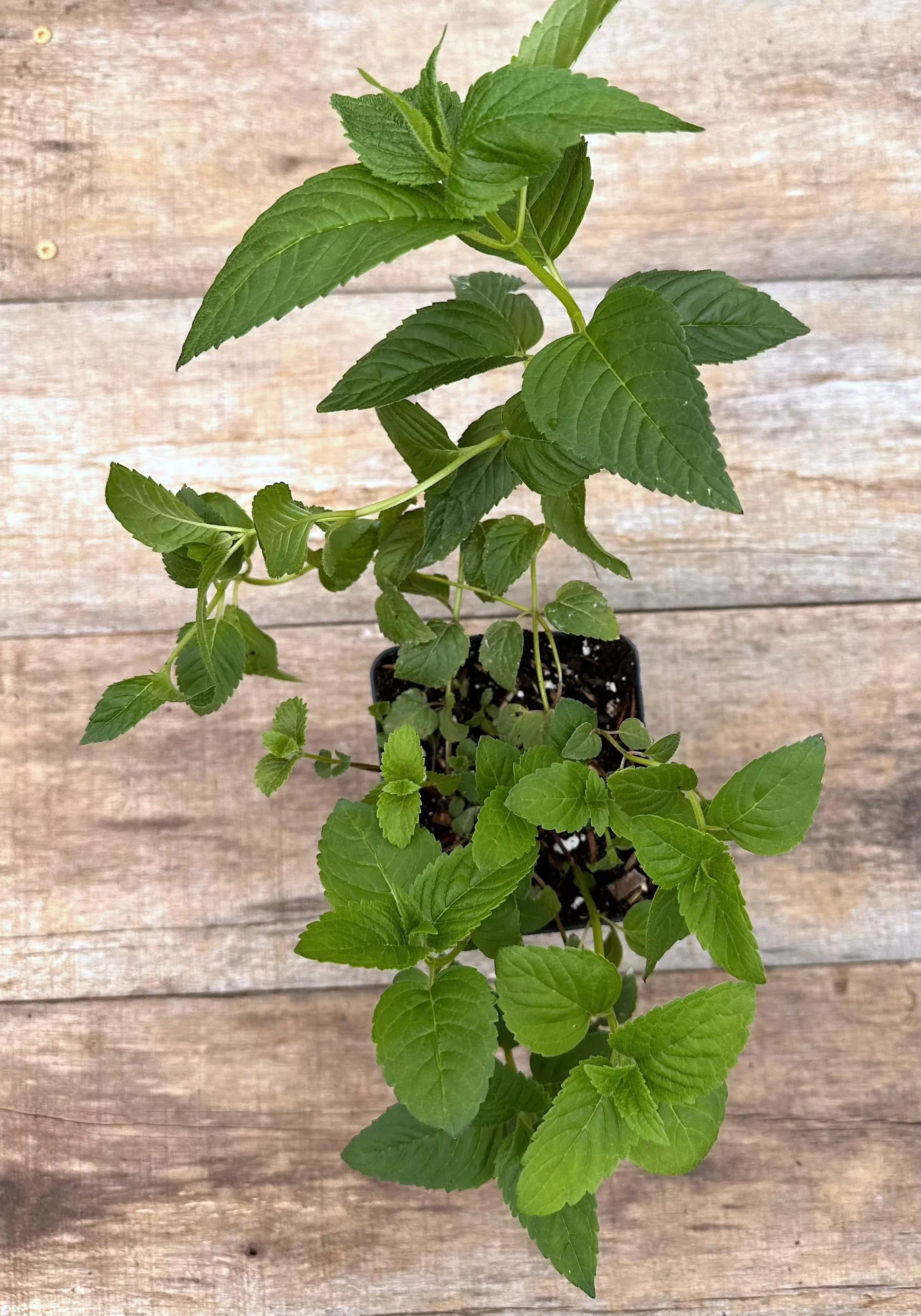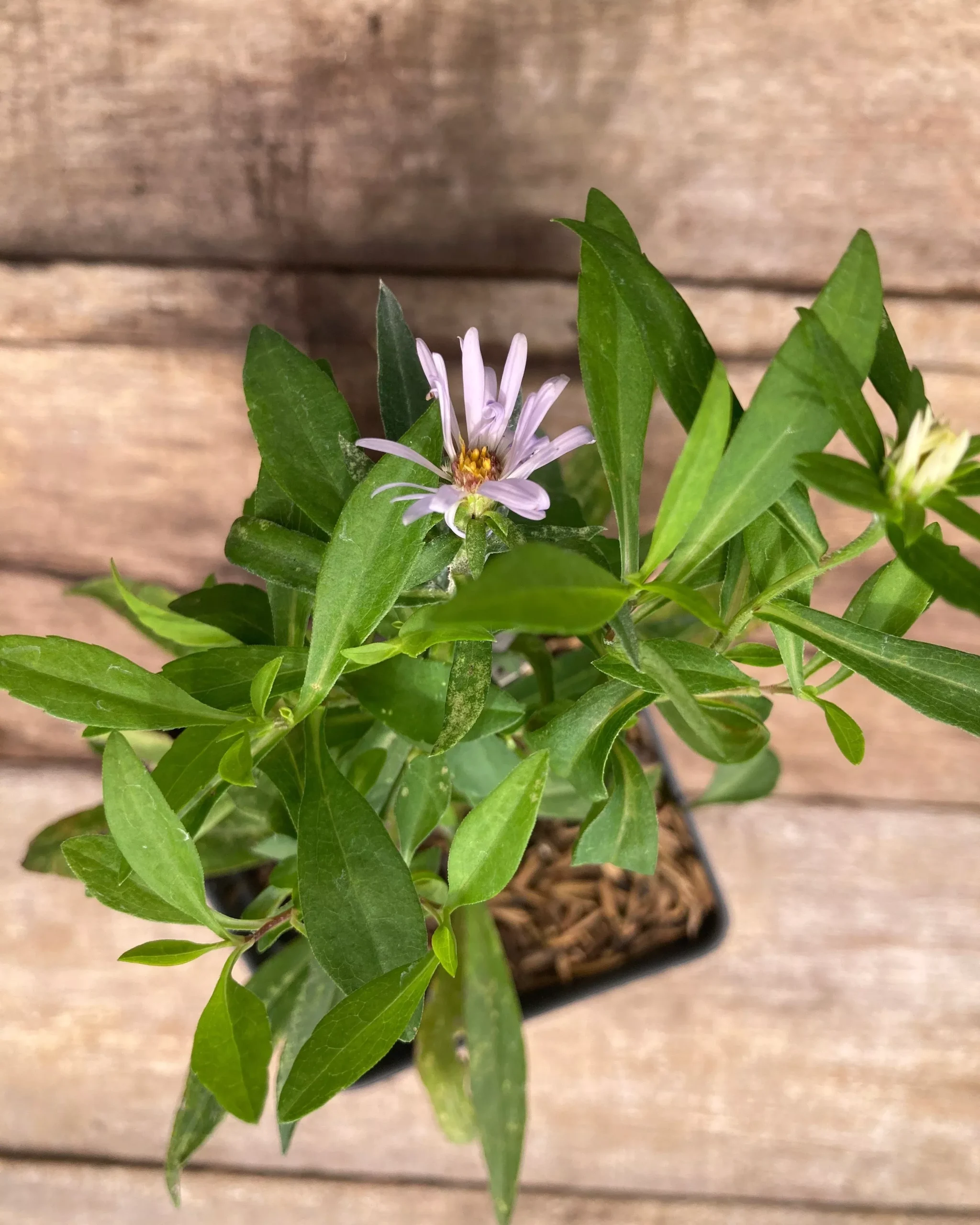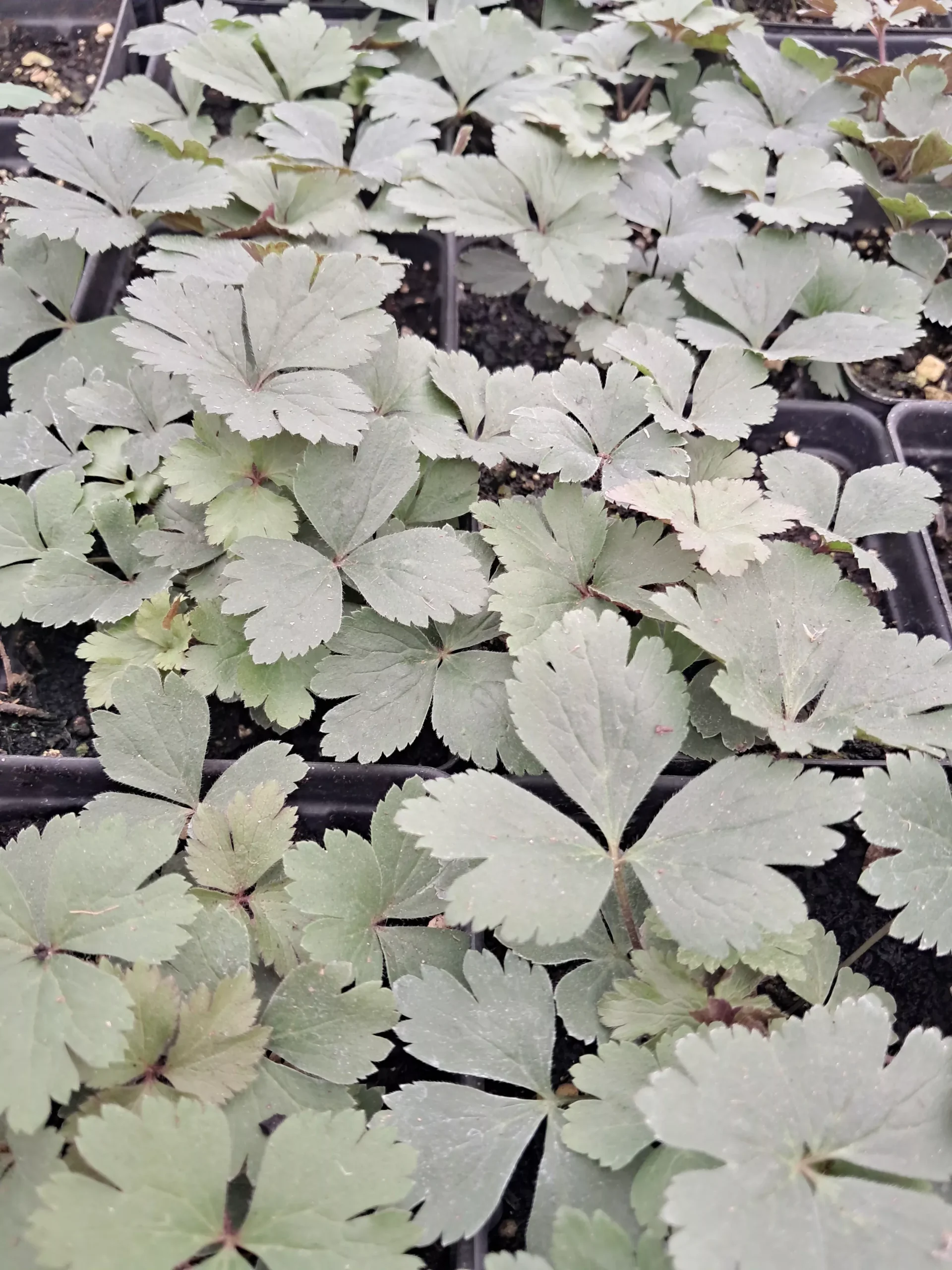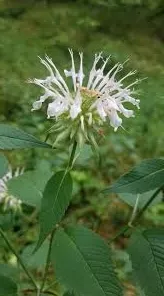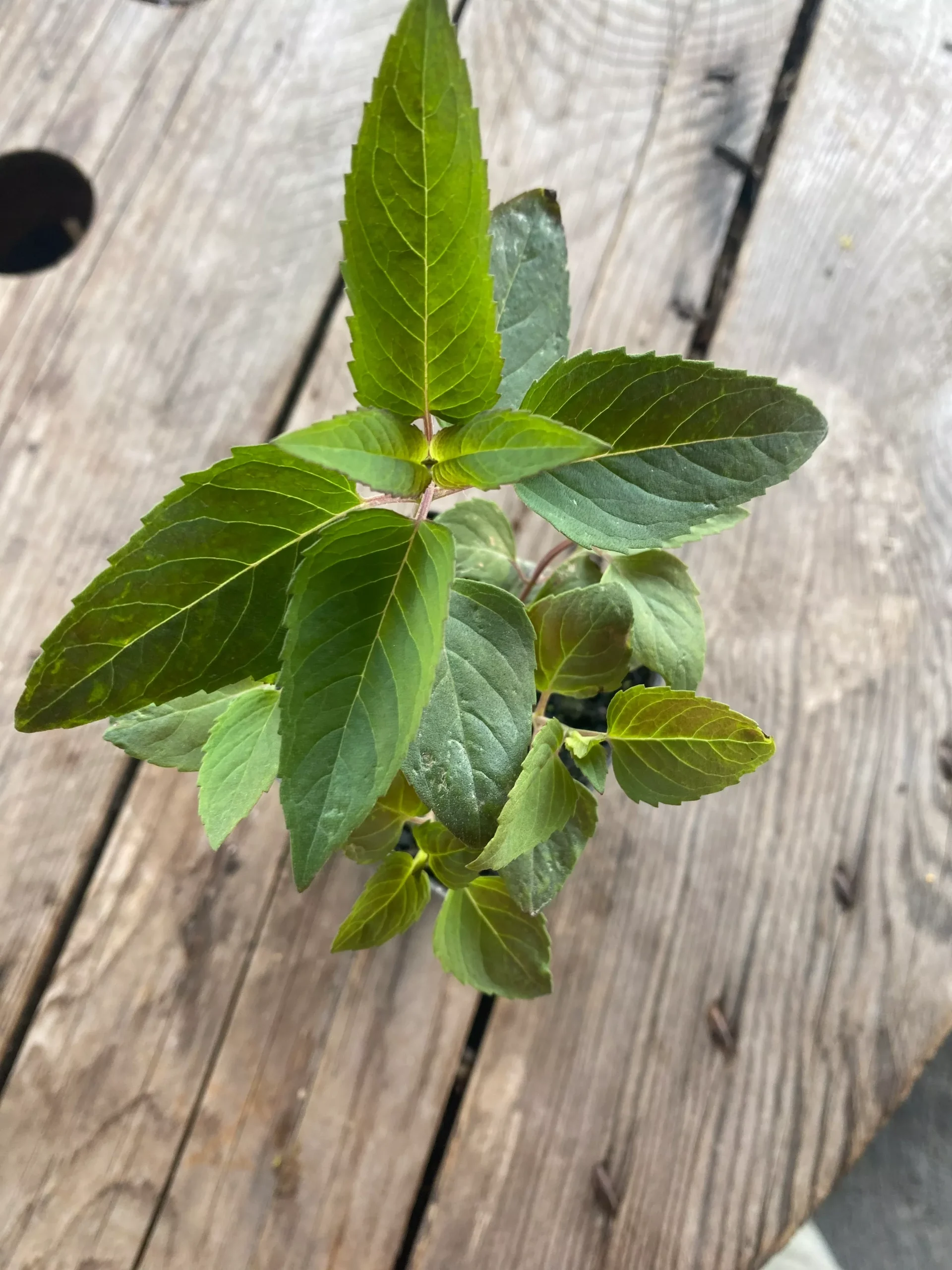

September Ruby is a tall, native New England aster selected for its rich color, strong stems, and reliable late-season bloom. As the garden begins to quiet, it rises into its moment — producing masses of daisy-like flowers in deep ruby tones that may show subtle violet undertones depending on light and soil conditions. Each bloom is centered with a bright golden eye that pollinators can spot from across the garden.
In most temperate climates, flowering begins in late summer and continues into fall. In warmer regions, plants may start earlier, while northern gardens often see peak bloom later in the season. This adaptable timing is part of what makes New England asters such valuable late-season nectar plants.
Tall, upright stems branch freely to create a bold but airy presence that never feels coarse. Planted toward the back of borders or woven into naturalistic plantings, September Ruby adds height, movement, and ecological value all at once.
Why Gardeners Love It
- Deep ruby-red flowers with subtle violet tones
- Important late-season pollinator plant
- Strong upright stems
- Long bloom window
- Native perennial with real habitat value
- Excellent structure for fall borders
How It Grows
- Plant type: Herbaceous perennial
- Sun: Full sun preferred
- Soil: Average to moderately fertile, well-drained soil
- Water: Moderate; appreciates moisture during establishment
- Hardiness: USDA Zones 4–9
- Habit: Upright, clumping, branching
Size & Bloom
- Height × Width: 3–5 ft × ~2 ft
- Flower size: 1–2 inches across
- Color: Deep ruby red, sometimes with violet undertones
- Center: Golden yellow
- Bloom season: Late summer through fall (earlier in warm climates)
- Wildlife value: Bees, butterflies, beneficial insects
Planting & Care Notes
- Plant in full sun for strongest stems and best flowering
- Avoid overly rich soil or heavy fertilizing, which can cause lanky growth
- Pinching stems in early summer encourages a fuller, bushier plant
- Provide good airflow to discourage mildew
- Divide every few years to maintain vigor
Best Uses
- Pollinator gardens
- Native plant landscapes
- Meadow and prairie plantings
- Back-of-border height
- Late-season color gardens
How to Know It’s Right for You
Choose September Ruby if you:
- want bold color late in the season
- support pollinators in fall
- need tall structure plants
- prefer hardy, long-lived perennials
- garden in Zones 4–9