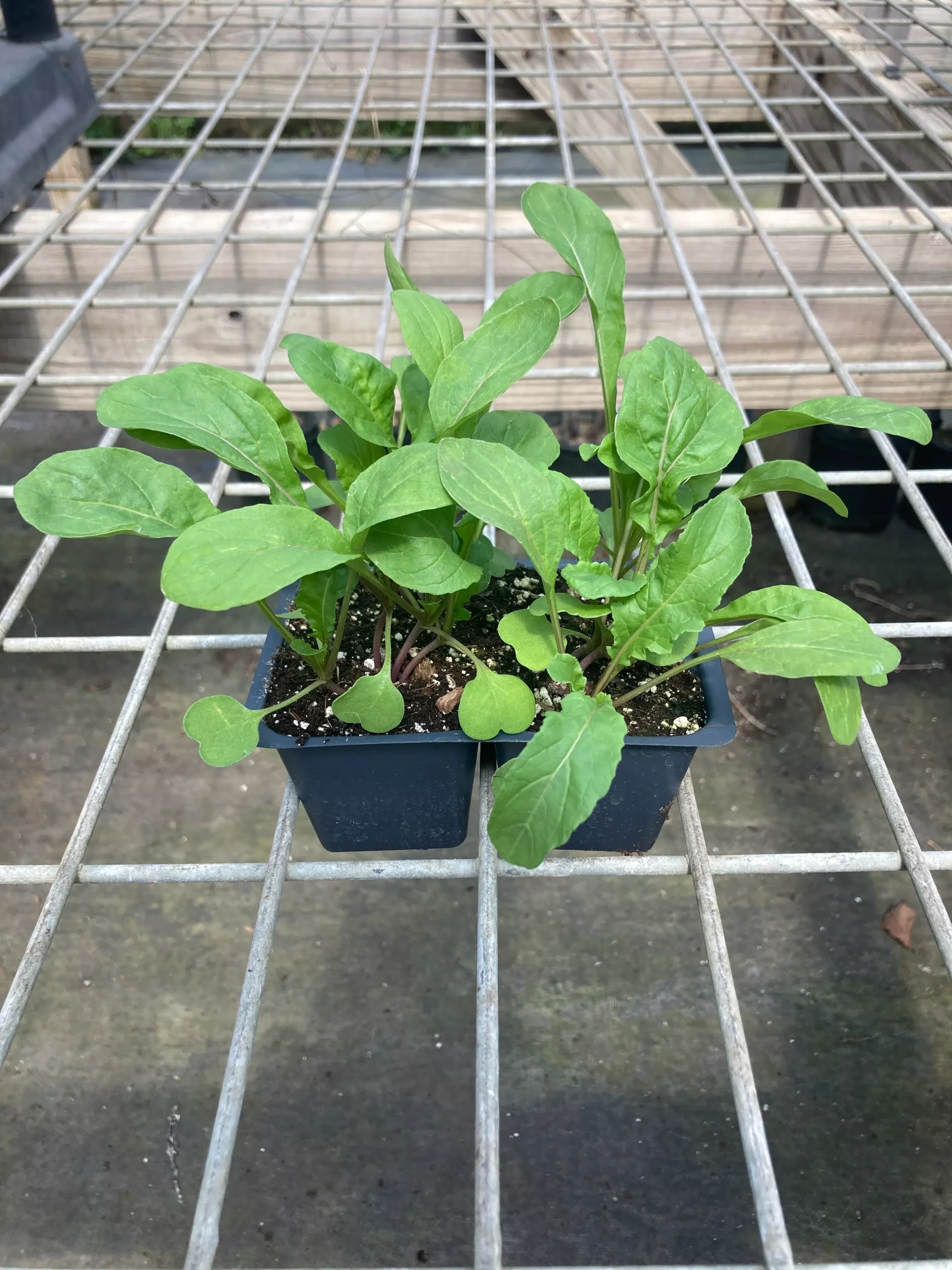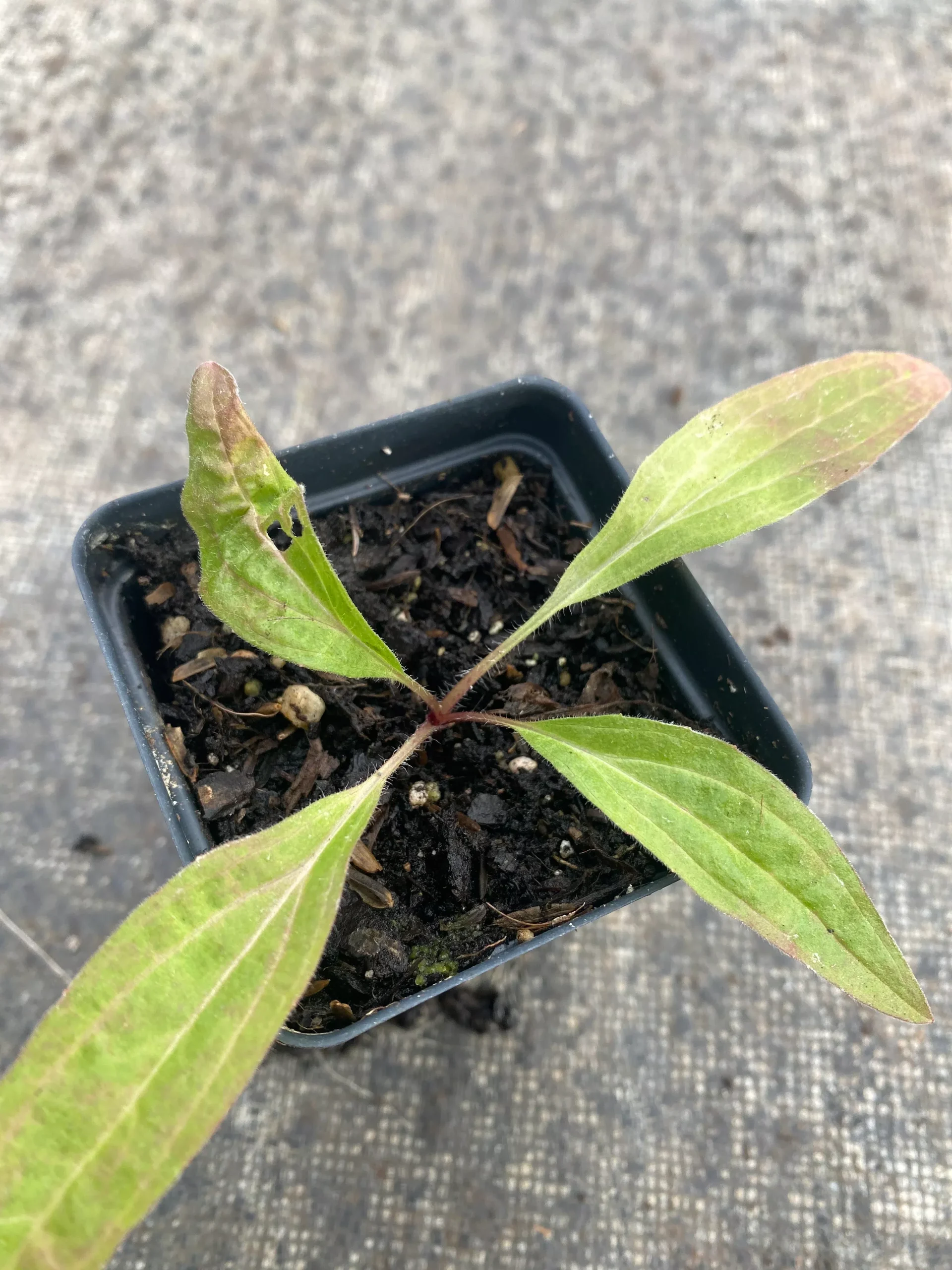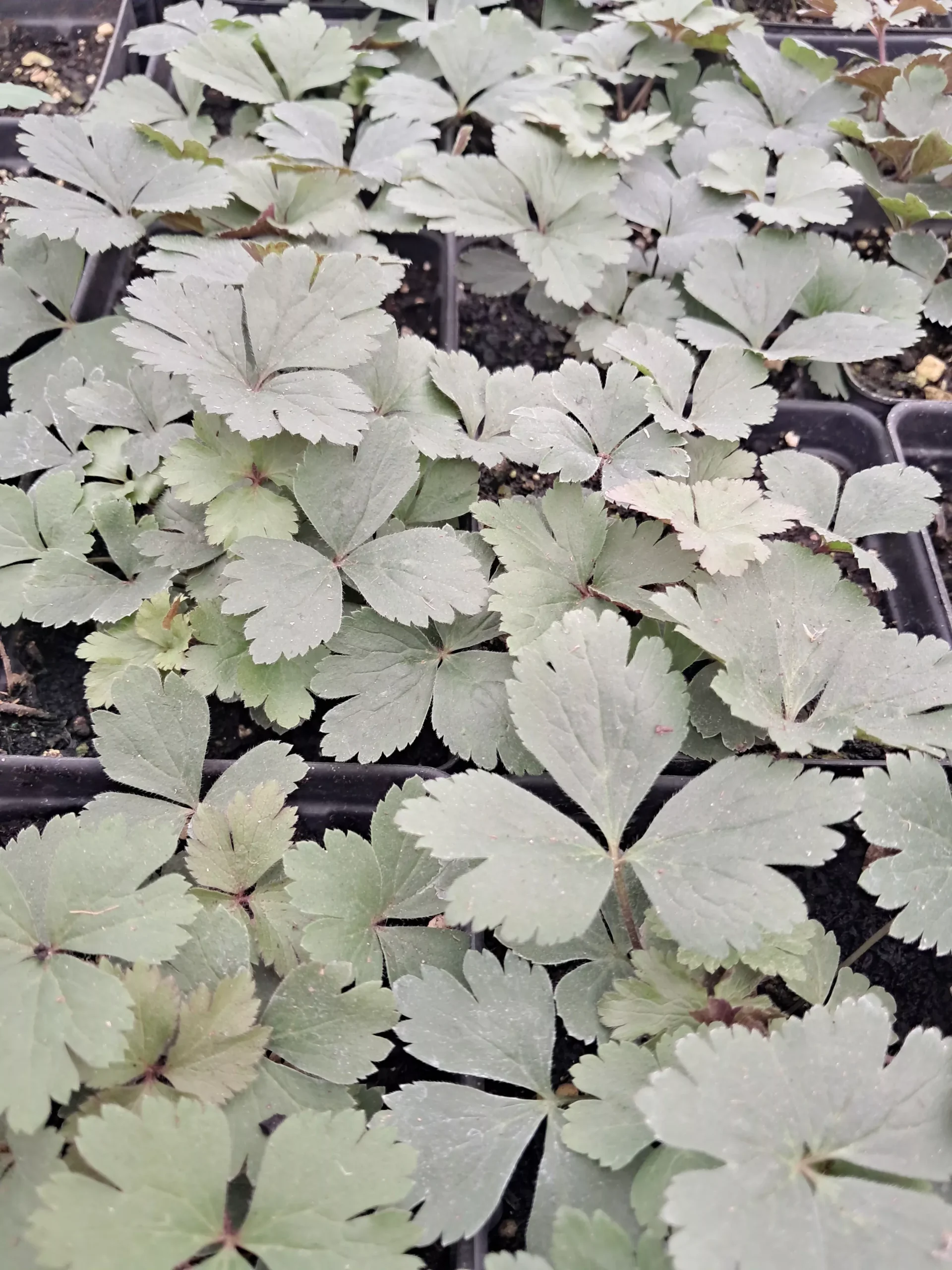

Common milkweed is more than just a garden plant—it’s a lifeline for monarch butterflies. It is the only food monarch caterpillars can eat, and the flowers provide rich nectar for many kinds of butterflies, bees, and beneficial insects.
The plants grow tall and upright, with broad green leaves and rounded clusters of rosy-pink flowers in summer. It has a bold, wild beauty that works well in natural gardens, meadows, and pollinator plantings.
It does spread by underground rhizomes, which can be a gift or a challenge depending on your space. In open areas or naturalized gardens, that spreading habit helps it fill in and create a true monarch habitat.
WHY GARDENERS LOVE IT
- Essential host plant for monarch caterpillars
- Excellent nectar source for butterflies and bees
- Rosy-pink summer flowers
- Strong, upright growth
- Easy to grow
- Native to much of the eastern U.S.
HOW IT GROWS
- Plant type: Herbaceous perennial
- Sun: Full sun
- Soil: Average to dry, well-drained soil
- Water: Moderate first year, low after
- Hardiness: Zones 6–9
- Growth habit: Upright, spreading by rhizomes
SIZE & BLOOM
- Height × Width: ~3–5 ft. × 3 ft.
- Flower color: Rosy-pink
- Bloom time: Summer
- Wildlife: Monarchs, butterflies, bees
PLANTING TIPS
- Plant in full sun
- Give space to spread
- Avoid planting in tight beds
- Water well the first season
CARE MADE EASY
- Let seed pods form for wildlife
- Cut back in late fall or spring
- Thin if it spreads too much
- Avoid pesticides—especially near caterpillars
BEST USES
- Monarch gardens
- Pollinator plantings
- Meadows and natural areas
- Wildlife gardens
- Large garden spaces
HOW TO KNOW IT’S RIGHT FOR YOU
Choose Common Milkweed if you:
- Want to support monarchs
- Have space for spreading plants
- Love wildlife gardens
- Garden in full sun