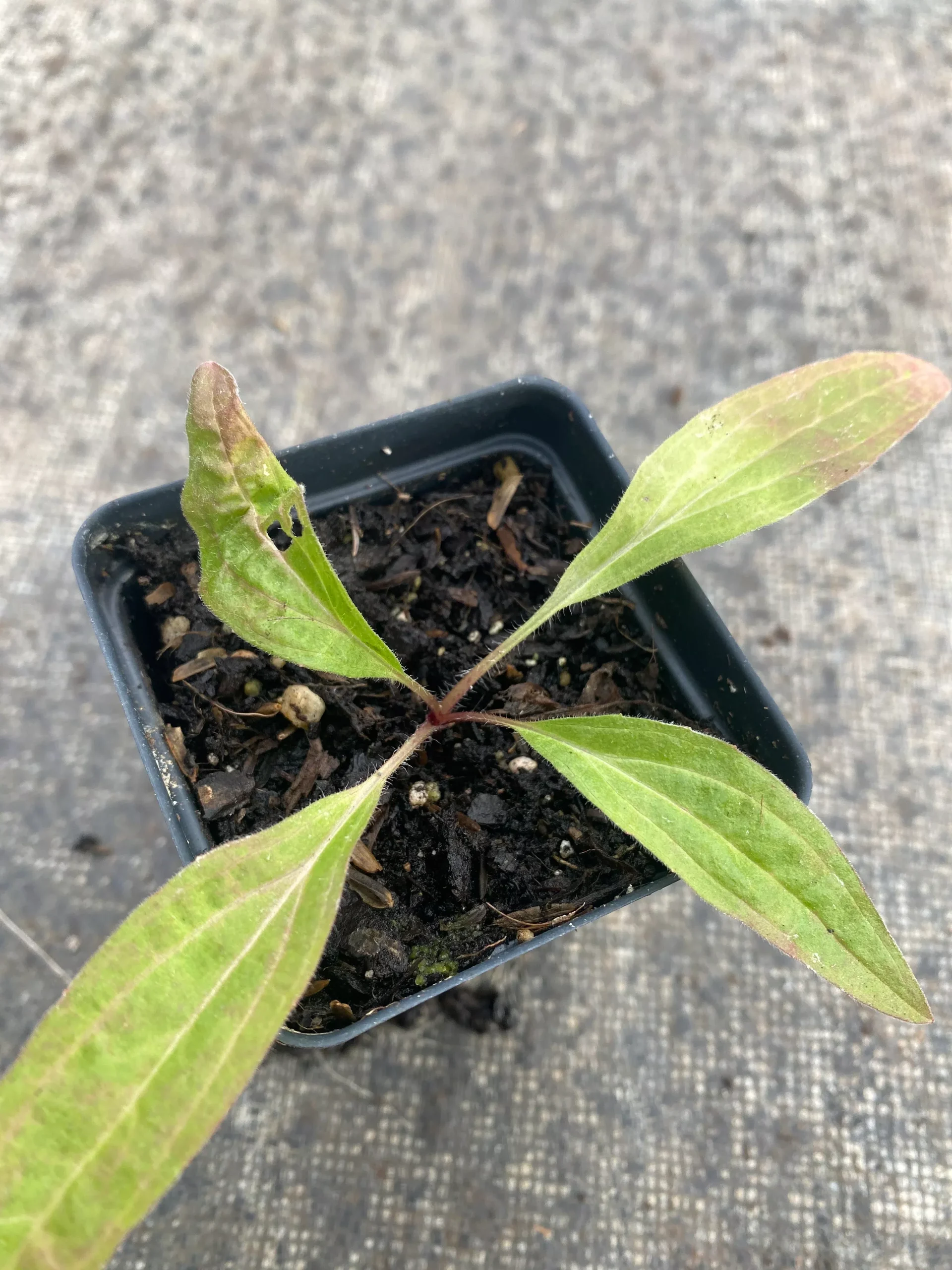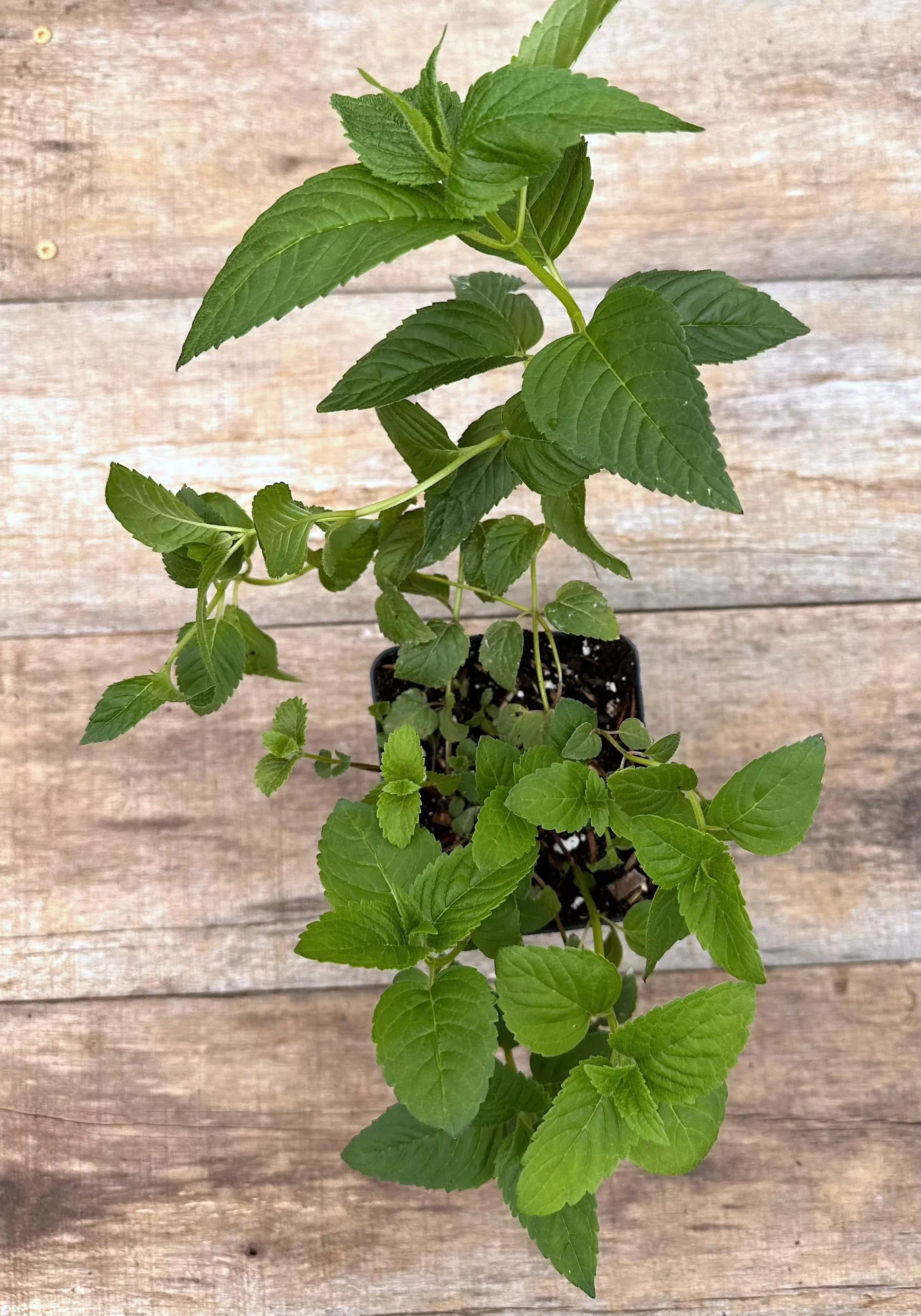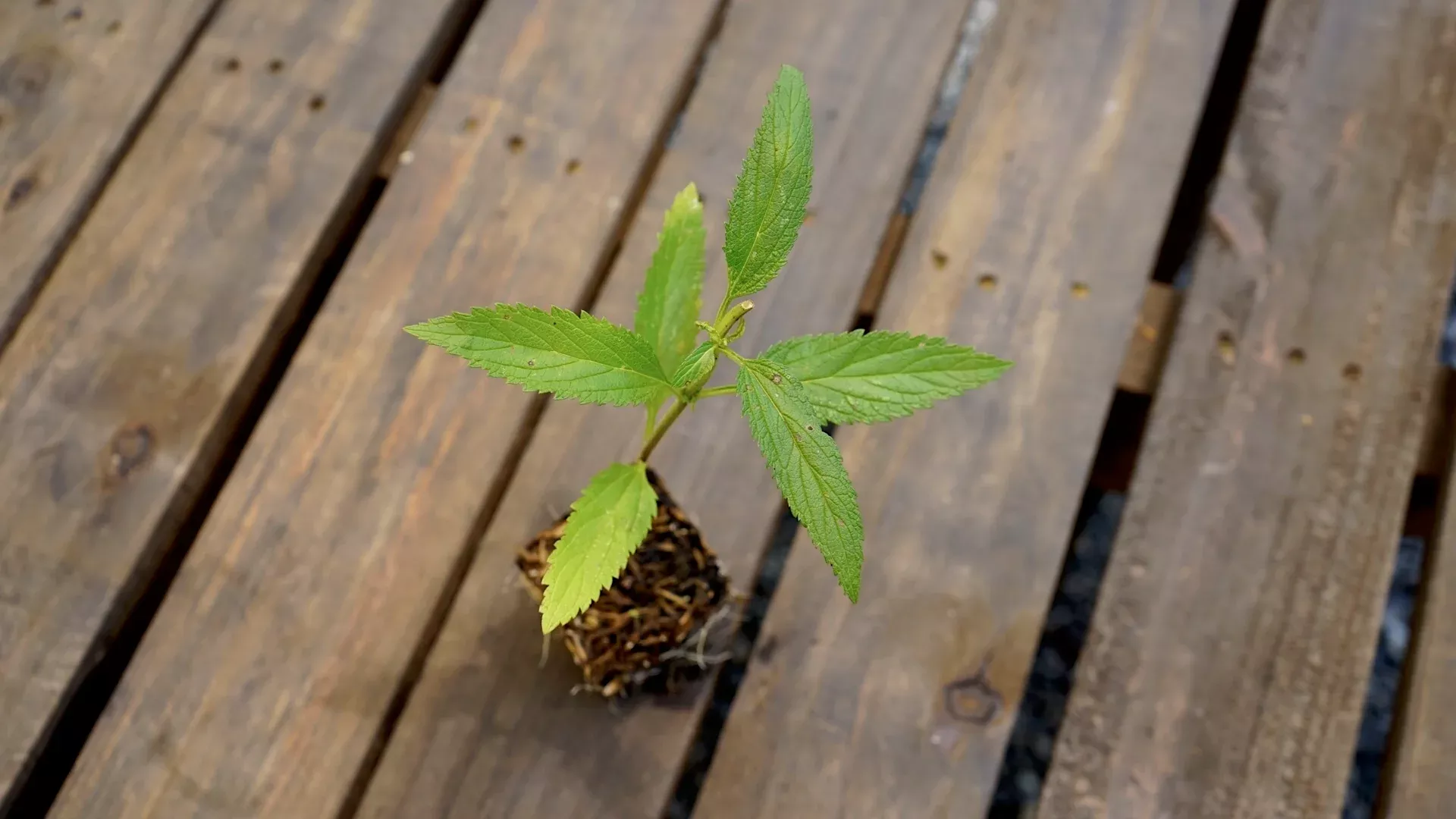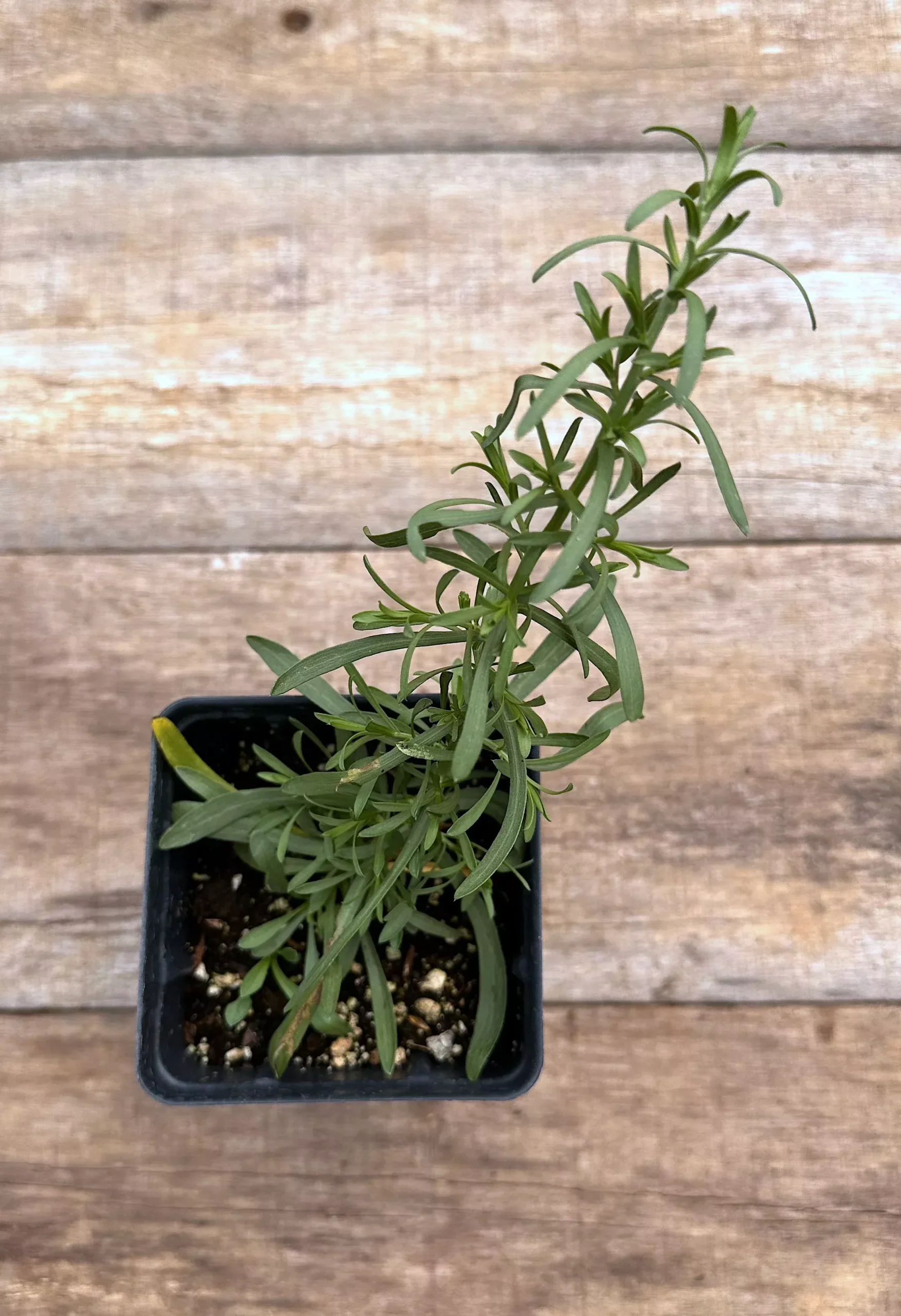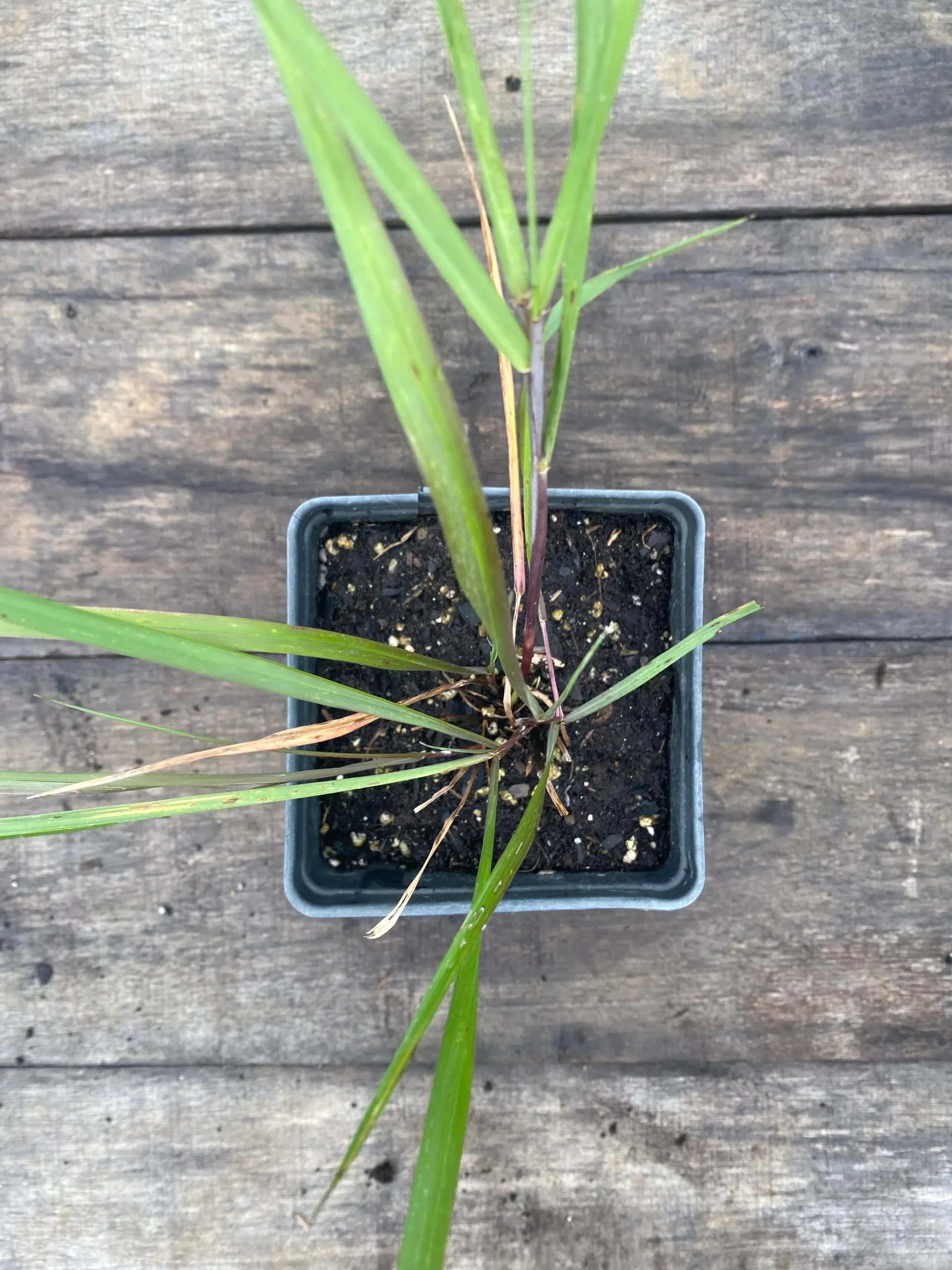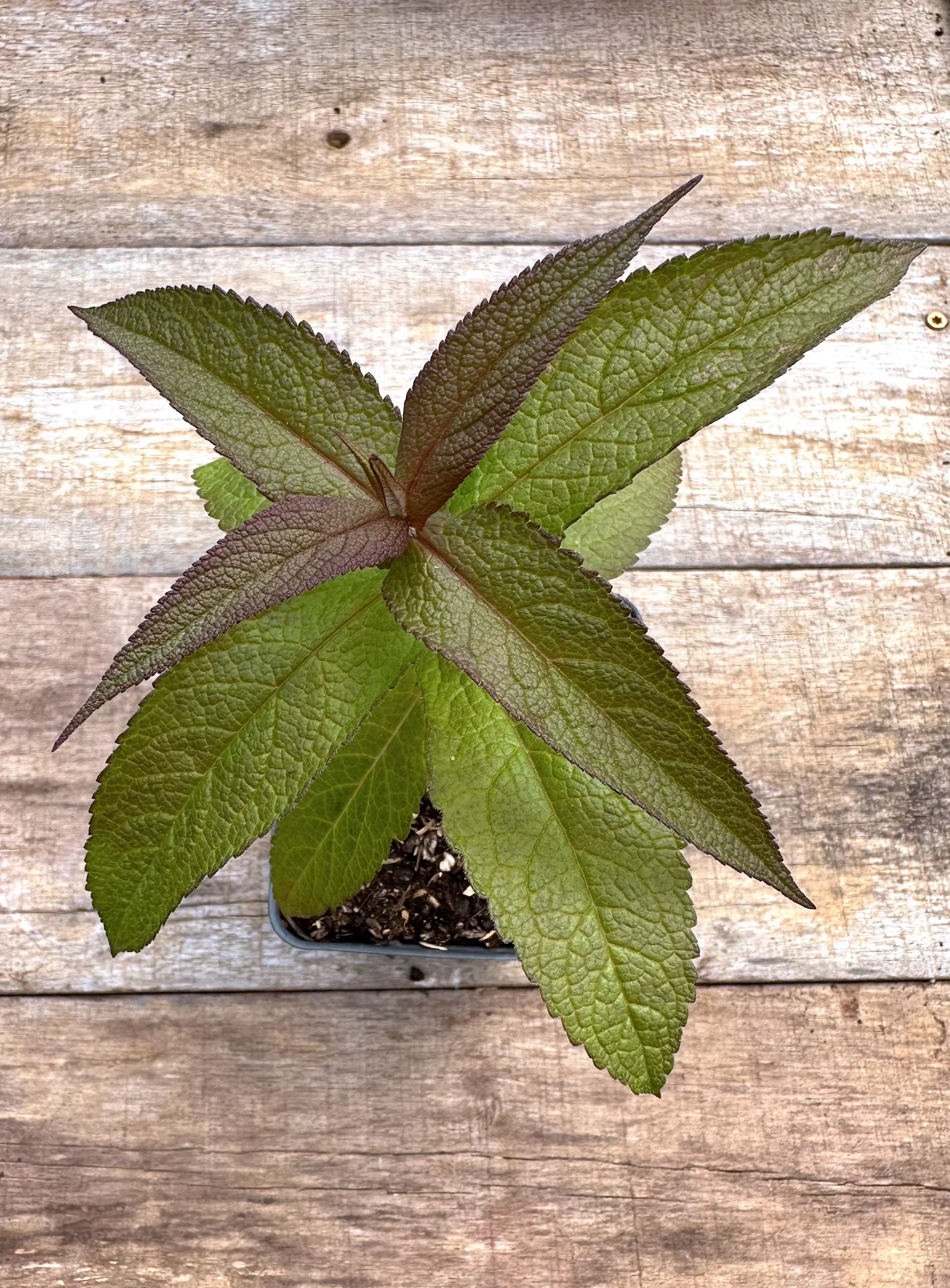
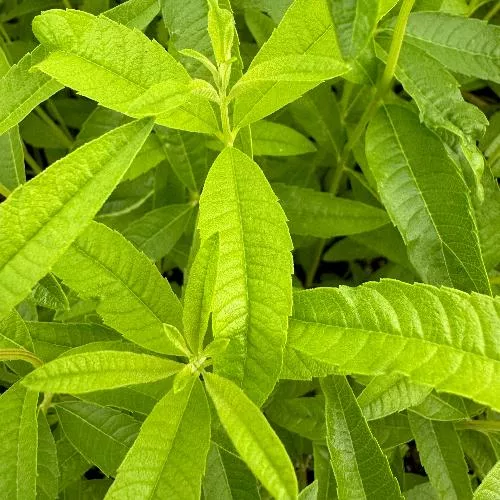
Lemon verbena is one of those plants that sticks with you. You brush past it once and that clean, bright lemon scent just hangs in the air. It’s no wonder this plant has been treasured for centuries in kitchens, gardens, and home apothecaries.
This airy, naturally leggy shrub produces soft clusters of pale lilac to creamy-white flowers in summer, loved by pollinators and gentle on the eyes. Though it looks delicate, lemon verbena is surprisingly resilient and grows beautifully in large containers where it can be protected in colder months.
GROWING NOTES
Lemon verbena loves warmth, sun, and space to stretch. Its loose, graceful shape is part of its charm. In cooler climates, it thrives in containers that can be moved indoors for winter protection.
- Herbaceous Shrub
- Height x Width: 2–4 ft x 3 ft
- Zones: 8–10 (container-friendly in colder zones)
- Light: Full Sun
- Water: Regular, well-drained soil
- Great for containers, patios, and herb gardens
WHY YOU’LL LOVE IT
- Unmatched fresh lemon fragrance
- Beautiful in teas, desserts, and herbal blends
- Long history in traditional herbal use
- Easy to grow in containers
- A sensory plant you’ll reach for again and again
TRADITIONAL & CULTURAL USES
Lemon verbena has a long history in South American, European, and Mediterranean herbal traditions. It has been used in:
- Calming evening teas
- Digestive and after-meal blends
- Scenting linens and rooms
- Herbal syrups, sugars, and desserts
- Emotional and nervous-system folk traditions
In many cultures, it was considered a plant of comfort—grown near the home to soothe the senses and lift the spirit.
Today, gardeners grow lemon verbena for its beauty, fragrance, and the quiet joy of harvesting fresh leaves for tea, baking, or simple herbal rituals.
PAIRS WELL WITH:
These plants share similar growing needs and blend beautifully in teas, gardens, and traditional use:
- Lavender – for calming, aromatic tea blends
- Lemon Balm – a gentle, citrusy companion in evening teas
- Chamomile – soft floral notes for relaxing blends
- Mint – brightens flavor and digestion-focused teas
- Anise Hyssop – adds sweetness and depth
- Rose – lovely in syrups, teas, and aromatic blends
Use these together in a garden bed, container grouping, or herbal tea garden for beauty and usefulness side by side.
Traditional use information is shared for educational purposes only and is not medical advice.